


 Українська
 Русский
Environmental friendliness of thermally modified wood: why is it the best choice for construction?
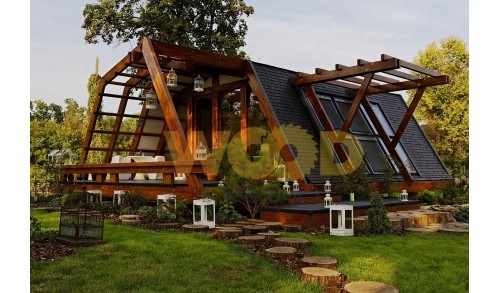
Modern construction is increasingly focused on environmentally friendly and safe materials, and thermally modified wood occupies a special place among them in construction. It is a natural, durable and resistant to external influences material, which is ideal for creating eco-friendly houses and various architectural structures.
But what makes thermally modified wood a truly environmentally friendly material? Let's look at the environmental properties of thermally modified wood and its advantages for construction.
How is thermally modified wood made without chemicals?
Unlike many traditional building materials treated with chemical impregnations, thermally modified wood is obtained exclusively using high temperatures and steam. How is thermally modified wood made without chemicals? The process takes place in three key stages:
Heating and drying - the wood is exposed to temperatures from 160 to 230 °C, while moisture is removed from it.
Main heat treatment - under high temperature conditions, organic compounds responsible for rotting and destruction of wood are destroyed.
Cooling and stabilization – the wood acquires its final properties without the use of chemicals.
The result is a completely safe, non-toxic and environmentally friendly material that is ideal for building houses, furniture, terraces and even playgrounds.
Eco-friendly properties of thermally modified wood
Thermally modified wood and its ecological properties make this material an ideal choice for ecological construction with thermally modified wood. The main advantages include:
Complete absence of harmful chemicals – heat treatment is carried out only with the use of heat and steam.
No toxic emissions – unlike glued materials, thermally modified wood does not contain formaldehyde and other harmful compounds.
Durability – due to the modified structure, the material lasts several times longer than ordinary wood, which reduces the need for its replacement and reduces the burden on the environment.
Biological resistance – thermally modified wood does not attract insects and is resistant to fungi, so it does not require additional chemical treatment.
Low water absorption – minimal hygroscopicity of the material reduces the risk of rotting and mold.
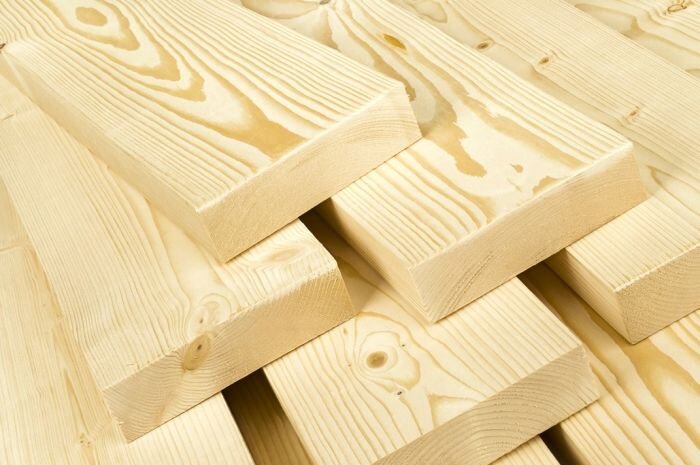
Advantages of thermally modified wood for eco-construction
Thermally modified wood is actively used in the construction of eco-houses due to its natural properties and high resistance to external factors. The main advantages of thermally modified wood for eco-construction:
Energy efficiency – thermally modified wood improves the thermal insulation of buildings, reducing energy consumption.
Comfortable microclimate – natural material “breathes”, regulating the humidity inside the premises.
Resistance to aggressive environment – suitable for any climatic conditions, does not deform with temperature changes.
Reduced burden on the environment – the durability of the material reduces the need for its replacement and reduces deforestation.
Thermally modified wood in eco-houses
Modern architects and designers increasingly choose thermally modified wood for eco-houses, as this material combines environmental friendliness, durability and aesthetic appeal.
Conclusion
The eco-friendliness of thermally modified wood makes it the best choice for the construction of modern, safe and durable buildings. This material combines naturalness, durability and resistance to external influences, which allows you to create eco-friendly homes with a comfortable microclimate.
If you are planning to build or decorate a house, choose eco-friendly construction with thermally modified wood - this is an investment in the health, nature and durability of your home.
14/02/2025