


 Українська
 Русский
How to choose thermally modified wood for facade cladding: tips and recommendations
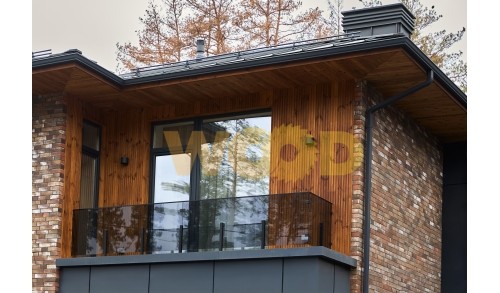
The facade of a building plays an important role in its aesthetics and protection from external influences. One of the best materials for cladding is thermally modified wood. It combines natural beauty and high performance characteristics. However, in order for a thermally modified wood facade to please the eye and serve for many years, it is important to choose the right material. In this article, we will tell you how to choose thermally modified wood for a facade, consider its advantages, types and recommendations for processing.
What is thermally modified wood?
Thermally modified wood is natural wood that has undergone high-temperature treatment in an airless environment. This process changes the structure of the wood, making it more resistant to moisture, decay and temperature changes. Thermally modified wood for facades has increased durability and an attractive appearance, which makes it a popular choice in construction.
Advantages of thermally modified wood
Facing facades with thermally modified wood has many advantages:
Moisture resistance. Thermally modified wood for house facades does not absorb moisture, which eliminates deformation and cracking.
Protection from decay. Thanks to heat treatment, wood becomes insensitive to the effects of fungi and mold.
Durability. A facade made of thermally modified wood retains its properties for decades.
Aesthetics. Thermally modified wood for facades has a noble shade and texture that emphasize the natural beauty of wood.
Environmental friendliness. The heat treatment process eliminates the use of chemicals, keeping the material safe for health.
Types of thermally modified wood for facades
For facade cladding, you can use thermally modified wood from various types of wood:
Pine. One of the most affordable options. Thermally modified pine has a beautiful color and is resistant to external factors.
Ash. Has a pronounced texture and high strength.
Oak. Surpasses other types in durability, but is more expensive.
Exotic types. For example, teak or ipe, are distinguished by their special beauty and wear resistance.
The choice of a specific type depends on the budget, desired appearance and operating conditions.

How to choose thermally modified wood for a facade?
When choosing thermally modified wood for house facades, it is important to consider the following aspects:
Material quality. Pay attention to the uniformity of color, absence of cracks and chips.
Heat treatment class. The higher the treatment temperature, the more durable the material. However, it is not recommended to use wood treated above 230°C for facades, as it may become brittle.
Thickness and width of boards. Thermally modified wood for facades must be thick enough to withstand loads and maintain shape.
Supplier. Buy material from trusted manufacturers who provide quality certificates.
Recommendations for choosing thermally modified wood for a facade
Determine the style of the facade. Thermally modified wood for facades is available in various shades and textures. Choose the one that matches the overall design of the building.
Consider the climate. In areas with high humidity, it is better to use species with maximum resistance to water, such as thermally modified ash.
Check the treatment. Some types of thermally modified wood for facades require additional treatment with oils or varnishes to increase their service life.
Calculate the amount of material. Before purchasing, take precise measurements to avoid unnecessary costs.
Use of thermally modified wood in construction
Thermally modified wood is used not only for facade cladding, but also for creating terraces, fences, pergolas and other exterior elements. Its versatility allows you to create harmonious projects that unite different parts of the building.
How to treat thermally modified wood for a facade?
In order for a thermally modified wood facade to last a long time and retain its appearance, it is important to treat it correctly:
Application of protective agents. Use oils or varnishes that will protect the wood from ultraviolet radiation and preserve its color.
Regular maintenance. Renew the protective coating once a year.
Surface cleaning. Remove dirt with soft brushes and water, avoiding aggressive cleaning agents.
Thermally modified wood for facades is a practical and beautiful material that emphasizes the status and uniqueness of the building. With the right choice and care, a thermally modified wood facade will delight you with its aesthetics and durability.
If you want to give your home a natural and stylish look, pay attention to thermally modified wood on our website https://woodcasual.com/en. Use our recommendations for choosing and caring for this material to create a durable facade that will become the pride of your home.
12/01/2025